Author: The Faithful Sheriff

  • Is the Trinity biblical? What the Bible Says

    Is the Trinity biblical? What the Bible Says

    The concept of the Trinity is an important and unique belief in Christianity. However the word “trinity” is not used in the Bible anywhere. The Bible does describe that there is one God who exists in three distinct persons: the Father, the Son (Jesus Christ), and the Holy Spirit. Called the Godhead. They each have their own roles. While this doctrine can be difficult to understand, the Bible provides ample evidence to support this truth, such as Matthew 28:19.

    Let’s explore it further.

    Holy Trinity Cathedral, Addis Ababa

    What do we mean when we say the Trinity is three persons in one God?

    The Bible affirms that there is only one God, as stated in Deuteronomy 6:4, “Hear, O Israel: The Lord our God, the Lord is one!” This truth is repeated throughout the Old and New Testaments, affirming the belief in the oneness of God.

    However, the Bible also reveals that the Father, Son, and Holy Spirit are each distinct persons with their own attributes and roles. For example, at Jesus’ baptism, all three persons of the Trinity were present: the Father spoke from heaven, the Son was being baptized, and the Holy Spirit descended like a dove (Matthew 3:16-17).

    In addition, there are verses that refer to each person of the Trinity as God. For instance, Jesus is called “God” in John 1:1-2, “In the beginning was the Word, and the Word was with God, and the Word was God. He was in the beginning with God.” The Holy Spirit is also called “God” in Acts 5:3-4, “But Peter said, “Ananias, why has Satan filled your heart to lie to the Holy Spirit and keep back part of the price of the land for yourself? While it remained, was it not your own? And after it was sold, was it not in your own control? Why have you conceived this thing in your heart? You have not lied to men but to God.”

    Furthermore, there are verses that indicate the three persons of the Godhead are one in essence or nature. For instance, Jesus declared, “I and My Father are one” (John 10:30). Not that they are the same person, or one person with two forms, but they are like minded, in agreement, with the same power and authority.

    In John 14:26, Jesus also spoke of the Holy Spirit as “the Helper, the Holy Spirit, whom the Father will send in My name, He will teach you all things, and bring to your remembrance all things that I said to you.” Here, Jesus is describing the Holy Spirit as a distinct person who will be sent by the Father, but who will also be intimately involved in the life of believers.

    To help explain this concept further, we can use the example of water. Water can exist in three different forms: solid (ice), liquid (water), and gas (steam). While each form is distinct, they all share the same essence or nature. In the same way, God exists in three distinct persons, but they share the same essence or nature. They are all even in praise and worship called holy holy holy (Isaiah 6:3, Revelation 4:8).

    In conclusion, the Bible affirms the belief in a Godhead that is described as the Trinity – one God in three distinct persons – through numerous verses and examples. While how exactly there is one God but three in the Godhead is confusing, it is essential to our understanding of who God is and how He has revealed Himself to us.

    Where does it talk about the Trinity in the Bible?

    As we said already, the word “Trinity” is not found in the Bible, the concept is clearly taught through various passages. Here are some examples:

    • Matthew 28:19 – “Go therefore and make disciples of all the nations, baptizing them in the name of the Father and of the Son and of the Holy Spirit.” This verse presents all three persons of the Trinity and implies that they are of equal authority.
    • 2 Corinthians 13:14 – “The grace of the Lord Jesus Christ, and the love of God, and the communion of the Holy Spirit be with you all. Amen.” This verse mentions all three persons of the Trinity and implies their unity in blessing believers.
    • John 1:1-2 – “In the beginning was the Word, and the Word was with God, and the Word was God. He was in the beginning with God.” This verse establishes the deity of Jesus, who is identified as “the Word” and is said to be with God and also to be God.
    • John 14:16-17 – “And I will pray the Father, and He will give you another Helper, that He may abide with you forever – the Spirit of truth, whom the world cannot receive, because it neither sees Him nor knows Him; but you know Him, for He dwells with you and will be in you.” This verse shows the Holy Spirit as a distinct person who is sent by the Father and is also intimately involved in the life of believers.
    • John 10:30 – “I and the Father are one.” This verse shows the unity and oneness of Jesus and the Father, suggesting their equality as members of the Godhead.
    • 1 Corinthians 12:4-6 – “There are diversities of gifts, but the same Spirit. There are differences of ministries, but the same Lord. And there are diversities of activities, but it is the same God who works all in all.” This passage refers to the Holy Spirit, Jesus Christ, and God the Father, respectively, indicating their distinct roles in the work of the Trinity.
    • Ephesians 4:4-6 – “There is one body and one Spirit, just as you were called in one hope of your calling; one Lord, one faith, one baptism; one God and Father of all, who is above all, and through all, and in you all.” This verse highlights the unity and oneness of God in three persons, with the Holy Spirit, Jesus Christ, and God the Father each having a unique role.

    In the Old Testament, the concept of the Trinity is not explicitly mentioned, but there are indications that point towards the existence of God as a plurality of persons. Such as a careful study of a word-for-word Bible translation, using an Interlinear Bible, lexicon, or a concordance or parallel verses, shows the use of plural and “Elohim” and other references are used in Hebrew and Green to refer to God.

    • Genesis 1:26 – “Then God said, ‘Let Us make man in Our image, according to Our likeness…’” Here, God speaks in the plural form, suggesting that there is more than one person involved in the creation of man.
    • Isaiah 9:6 – “For unto us a Child is born, unto us a Son is given; and the government will be upon His shoulder. And His name will be called Wonderful, Counselor, Mighty God, Everlasting Father, Prince of Peace.” This verse prophesies about the coming of Jesus Christ and identifies Him as “Mighty God” and “Everlasting Father,” suggesting that Jesus and the Father are one.
    • Psalm 45:6-7 – “Your throne, O God, is forever and ever; a scepter of righteousness is the scepter of Your kingdom. You love righteousness and hate wickedness; therefore God, Your God, has anointed You with the oil of gladness more than Your companions.” This passage speaks of the divine nature of the Messiah, who is identified as “God” and also has a God.

    These are just a few examples that indicate the existence of God as three persons in the Old Testament. While the full revelation of the Trinity is not fully developed until the New Testament, these indications are important for understanding the continuity of God\’s revelation throughout the entire Bible.

    Common Issues with the Concept of a Trinity

    There are four common issues people have with accepting a “Trinity” from the Bible.

    Photo Egypte Louvre Triade of Osiris, Isis, and Horus

    Is the Trinity Pagan?

    First, some think the Trinity is a corrupt doctrine that came from pagan religions. The reason is that there are many tri-gods in ancient pagan and satanic religions, such as in Greek, Roman, and Egyptian gods. For example Brahma, Vishnu, and Shiva, or Osiris, Isis, and Horus.

    But you have to consider the context and relationship between the God of the Bible and other ancient gods.

    If you believe the Bible, then the Living God existed always and before the earth was created. Then God created humans, and we fell and created false gods that do not really exist. And also that fallen angels are on earth as well as Lucifer, seeking power and to influence humans. Lucifer wanted to be like God and worshipped. So he created false religions that are based on God and heaven. And like all counterfeits, they mimic the real thing.

    The first pagan triad is found in the Bible, of Nimrod (Genesis 10:9), Semiramis, and Tammuz. The other religion “trinities” are actually triads and usually consist of completely separate gods with separate realms, aspects, or identities. Such as a father, mother, and son, over the sky, sun, and moon. So triads do not have the same makeup as a trinity with there only being one God of three persons best described as co-equal, co-eternal, and co-existent. Triads are three separate gods.

    The word Trinity is not in the Bible

    Secondly, the word “trinity” is not in the Bible. Trinity the term being pagan or unBiblical. And so, it is reasonable to not want to call the Godhead by this manmade label. You can believe in the Father, Son, and Holy Spirit of the Godhead without calling them the Trinity. Instead, some may prefer to refer to the Godhead as three persons, as it is in the Bible.

    • Colossians 2:9 – “For in him dwelleth all the fulness of the Godhead bodily.”
    • Acts 17:29 – “Forasmuch then as we are the offspring of God, we ought not to think that the Godhead is like unto gold, or silver, or stone, graven by art and man’s device.”
    • Romans 1:20 – “For the invisible things of him from the creation of the world are clearly seen, being understood by the things that are made, even his eternal power and Godhead; so that they are without excuse:”

    Two not Three?

    Third, some think that there are only two persons in the Godhead. The Father and Son only. Thinking that the Holy Spirit is only God’s power or Jesus’ power. This is because of verses referring to the “Spirit of Christ” or of the Holy Ghost like a power.

    • Romans 8:9 – “But ye are not in the flesh, but in the Spirit, if so be that the Spirit of God dwell in you. Now if any man have not the Spirit of Christ, he is none of his.”
    • 1 Peter 1:11 – “Searching what, or what manner of time the Spirit of Christ which was in them did signify, when it testified beforehand the sufferings of Christ, and the glory that should follow.”
    • Philippians 1:19 – “For I know that this shall turn to my salvation through your prayer, and the supply of the Spirit of Jesus Christ,”

    It is true the Bible talks about the Spirit of Christ, but this makes sense in that Jesus is the Son of the Father, and they are all spiritual in nature. After all, Jesus had to take on human flesh to save us. But is this instead a type of description about one of the characteristics of the Son of God that all three share. As they are similar, related, but distinct.

    Also, consider that it wouldn’t make sense for someone to be able to grieve the Holy Spirit away if it was just a power. Nor can a power have feelings, make decisions, or communicate with its own will. And why would in many other verses would three be given instead of two? And why would a power be referred to by pronouns as a person if He wasn’t a He?

    Photo by Shaouraav Shreshtha on Unsplash

    Monotheistic or Polytheistic?

    The last big issue people struggle with, especially Muslims, is that by definition then does this make Christianity and the God of the Bible actually the gods of the Bible? Making Christianity polytheistic, not monotheistic? And God Himself gives the commandment to only worship Him, the one and only true Living God. And we are to have one God and no other.

    So it can seem all confusing and contradictory.

    The terms and definitions of monotheistic and polytheistic are not found in the Bible. And in ancient Hebrew those terms did not yet exist until the mid-17th century, based on the two Greek words monos + theos. It was understood as concepts in ancient times but not as the labels we have today. And the problem with labels is sometimes it isn’t that easy to define something as complex as God.

    But if we were to use modern labels. A triad like Osiris, Isis, and Horus, would be polytheistic. Believing and worshipping in more than one god. But the trinity is trying to name and explain the complex relationship between three co-equal beings sharing one Godhead as one God.

    Christianity also isn’t henotheism, or “the devotion to a single primary god while accepting the existence or possible existence of other deities” (source: https://www2.nau.edu/~gaud/bio301/content/heno.htm). Because the Bible is clear, all other gods are false and fake, because there are no other gods (Isaiah 45:21-22). There is only the Living God, and the three are co-equal, having the same authority even if Jesus does the will of His Father.

    As you consider all of this… remember we will never fully understand God’s existence as humans in a fallen and limited state. We also do not need to fully understand the Godhead to love and have a fulfilling relationship with God. As it is a bit arrogant to think we can fully understand the nature of God.

  • What is the Book of Life in the Bible?

    What is the Book of Life in the Bible?

    The Book of Life is mentioned several times in the Bible, both in the Old Testament and the New Testament. The Book of Life is also known as the Lamb\’s Book of Life or the Book of the Living.

    In the Bible, the Book of Life is a record or a list of names of all those who have been saved or will be saved by God. It is believed that this book is kept in heaven and that it is under God’s control. In the Old Testament, it is referred to as a register of the righteous, while in the New Testament, it is often associated with eternal life and salvation.

    Revelation 20:12 says, “And I saw the dead, great and small, standing before the throne, and books were opened. Then another book was opened, which is the book of life. And the dead were judged by what was written in the books, according to what they had done.”

    The Book of Life is mentioned in other parts of the Bible as well, such as Exodus 32:32-33, Psalm 69:28, Daniel 12:1, and Philippians 4:3. In these verses, the Book of Life is associated with deliverance from death, judgment, and salvation.

    Here are some additional details about the Book of Life in the Bible:

    • In Exodus 32:32-33, Moses pleads with God to forgive the Israelites for worshiping the golden calf. He says, “But now, if you will forgive their sin—but if not, please blot me out of your book that you have written.” God responds by telling Moses that he will blot out whoever has sinned against him from his book.
    • In Psalm 69:28, the psalmist asks God to “add to them punishment upon punishment; may they have no acquittal from you. Let them be blotted out of the book of the living; let them not be enrolled among the righteous.” Here, the psalmist is praying for God to punish his enemies by removing their names from the Book of Life.
    • In Daniel 12:1, the prophet Daniel speaks of a time of trouble when “everyone whose name shall be found written in the book” will be delivered. This refers to the end times, when God will judge the earth and those whose names are written in the Book of Life will be saved.
    • In Philippians 4:3, Paul asks his fellow workers in the gospel to help two women who have labored with him “whose names are in the book of life.” Here, the Book of Life is associated with those who have faithfully served God and the gospel.
    • In Revelation 3:5, Jesus tells the church in Sardis, “The one who conquers will be clothed thus in white garments, and I will never blot his name out of the book of life. I will confess his name before my Father and before his angels.” This verse suggests that it is possible for someone’s name to be removed from the Book of Life if they do not remain faithful to God.

    In the Bible, the Book of Life is a symbolic record or list of all those who have been saved by God or will be saved in the future. It is also referred to as the Lamb’s Book of Life, since Jesus is often portrayed as a sacrificial lamb who has made salvation possible for all who believe in him.

    The Book of Life is mentioned in several places in the Bible, including the Old Testament and the New Testament. Some of the key passages include Exodus 32:32-33, Psalm 69:28, Daniel 12:1, Philippians 4:3, and Revelation 3:5.

    In some of these verses, the Book of Life is associated with salvation, deliverance from death, and eternal life. For example, in Daniel 12:1, the prophet speaks of a time of trouble when “everyone whose name shall be found written in the book” will be delivered. This suggests that being listed in the Book of Life is a sign of God’s protection and favor.

    However, in other verses, the Book of Life is associated with judgment and punishment for those who have sinned against God. For example, in Psalm 69:28, the psalmist prays that his enemies will be blotted out of the Book of Life, indicating that being removed from the book is a sign of condemnation and rejection by God.

    Overall, the Book of Life serves as a reminder of God\’s sovereignty and power, and of the importance of faith and obedience in securing eternal life. It also emphasizes the need for repentance and forgiveness, as those who turn away from sin and turn to God can have their names written in the book and be assured of salvation.

    Bible verses that mention the Book of Life

    Verses that specifically mention the phrase “book of life”:

    • Exodus 32:32-33 KJV – “Yet now, if thou wilt forgive their sin–; and if not, blot me, I pray thee, out of thy book which thou hast written. And the Lord said unto Moses, Whosoever hath sinned against me, him will I blot out of my book.”
    • Psalm 69:28 KJV – “Let them be blotted out of the book of the living, and not be written with the righteous.”
    • Daniel 12:1 KJV – “And at that time shall Michael stand up, the great prince which standeth for the children of thy people: and there shall be a time of trouble, such as never was since there was a nation even to that same time: and at that time thy people shall be delivered, every one that shall be found written in the book.”
    • Philippians 4:3 KJV – “And I intreat thee also, true yokefellow, help those women which laboured with me in the gospel, with Clement also, and with other my fellowlabourers, whose names are in the book of life.”
    • Revelation 3:5 KJV – “He that overcometh, the same shall be clothed in white raiment; and I will not blot out his name out of the book of life, but I will confess his name before my Father, and before his angels.”
    • Revelation 13:8 KJV – “And all that dwell upon the earth shall worship him, whose names are not written in the book of life of the Lamb slain from the foundation of the world.”
    • Revelation 17:8 KJV – “The beast that thou sawest was, and is not; and shall ascend out of the bottomless pit, and go into perdition: and they that dwell on the earth shall wonder, whose names were not written in the book of life from the foundation of the world, when they behold the beast that was, and is not, and yet is.”
    • Revelation 20:12 KJV – “And I saw the dead, small and great, stand before God; and the books were opened: and another book was opened, which is the book of life: and the dead were judged out of those things which were written in the books, according to their works.”
    • Revelation 20:15 KJV – “And whosoever was not found written in the book of life was cast into the lake of fire.”
    • Revelation 21:27 KJV – “And there shall in no wise enter into it any thing that defileth, neither whatsoever worketh abomination, or maketh a lie: but they which are written in the Lamb\’s book of life.”

    Verses that refer to the idea of the Book of Life:

    • Psalm 56:8 KJV – (implies that God keeps a record of human sorrows and tears) – “Thou tellest my wanderings: put thou my tears into thy bottle: are they not in thy book?”
    • Psalm 139:16 KJV – (implies that God has a plan for each person’s life) – “Thine eyes did see my substance, yet being unperfect; and in thy book all my members were written, which in continuance were fashioned, when as yet there was none of them.”
    • Malachi 3:16 KJV – (implies that God has a record of those who fear him) – “Then they that feared the Lord spake often one to another: and the Lord hearkened, and heard it, and a book of remembrance was written before him for them that feared the Lord, and that thought upon his name.”
    • Luke 10:20 KJV – (implies that believers’ names are written in heaven) – “Notwithstanding in this rejoice not, that the spirits are subject unto you; but rather rejoice, because your names are written in heaven.”
    • Hebrews 12:23 KJV (implies that believers\’ names are recorded in heaven) – “To the general assembly and church of the firstborn, which are written in heaven, and to God the Judge of all, and to the spirits of just men made perfect.”

    These verses speak to the idea that there is a book in which the names of those who belong to God are recorded. This book is often referred to as the “book of life,” and those whose names are written in it are considered to be part of God\’s family and therefore assured of eternal life. The idea of the book of life emphasizes the importance of salvation through faith in Jesus Christ, and serves as a reminder that our ultimate destiny is determined by our relationship with God.

    How does it compare to the Book of Remembrance?

    In the Bible, the “Book of Life” and the “Book of Remembrance” are two distinct concepts.

    The Book of Life is mentioned in several places throughout the Bible, including Psalm 69:28, Revelation 3:5, and Philippians 4:3. It is a metaphorical record of the names of those who belong to God and are granted eternal life. It contains the names of all those who have accepted God’s offer of salvation through faith in Jesus Christ.

    On the other hand, the Book of Remembrance is mentioned in Malachi 3:16, where it is said to be a book of remembrance written before God. This book contains the names of those who fear the Lord and who speak often with one another about Him. It is a record of the faithfulness of God’s people and their obedience to His commands.

    While both books involve record-keeping, they serve different purposes. The Book of Life is a record of salvation, while the Book of Remembrance is a record of faithfulness and obedience.

  • Decoding Malachi 3:16, What is the Book of Remembrance?

    Decoding Malachi 3:16, What is the Book of Remembrance?

    The Book of Remembrance is mentioned in the Bible in the book of Malachi 3:16, which says:

    “Then those who feared the Lord spoke with one another. The Lord paid attention and heard them, and a book of remembrance was written before him of those who feared the Lord and esteemed his name.”

    The Book of Remembrance is believed to be a record kept by God of the faithful who fear Him and follow His commandments. It is sometimes interpreted as a record of the righteous deeds of the faithful that will be remembered and rewarded in the final judgment. It is also thought to be a book of remembrance of God’s promises to his people, particularly in the context of the restoration of Jerusalem and the rebuilding of the temple. The concept of a “book of remembrance” appears in other parts of the Bible, such as in Psalm 56:8 and Daniel 12:1.

    In addition to the reference in Malachi, the idea of a book of remembrance or a book of life appears in several other books of the Bible. For example:

    • In the book of Exodus, Moses speaks to God about the sin of the Israelites worshipping the golden calf, and asks God to forgive them or else “blot me out of the book that you have written” (Exodus 32:32). This suggests that there is a book in which the names of God’s chosen people are recorded.
    • In the book of Psalms, the writer asks God to remember him and his righteous deeds, and to record them in his book of remembrance: “You have kept count of my tossings; put my tears in your bottle. Are they not in your book?” (Psalm 56:8).
    • In the New Testament, the book of Revelation describes a vision in which the apostle John sees a great white throne, and the one seated on it judges the dead according to what is written in the books: “And the dead were judged by what was written in the books, according to what they had done\” (Revelation 20:12). The book of life is also mentioned in Revelation as a record of the names of those who will inherit eternal life: “And if anyone’s name was not found written in the book of life, he was thrown into the lake of fire” (Revelation 20:15).

    Overall, the concept of a book of remembrance or a book of life is linked to the idea of divine judgment and the recording of the deeds of human beings. Those who fear God and follow his ways are said to have their names written in this book, and will be rewarded with eternal life, while those who do not will be judged accordingly.\n

    Bible verses that mention the Book of Remembrance

    There are only two verses in the Bible that specifically mention the “book of remembrance,” and they are both found in the Old Testament book of Malachi:

    • Malachi 3:16 KJV – “Then they that feared the LORD spake often one to another: and the LORD hearkened, and heard it, and a book of remembrance was written before him for them that feared the LORD, and that thought upon his name.”
    • Malachi 3:18 KJV – “Then shall ye return, and discern between the righteous and the wicked, between him that serveth God and him that serveth him not.”

    While the term “book of remembrance” is not used in any other verses of the Bible, there are several passages that refer to the idea of a book in which names are recorded, such as:

    • Exodus 32:32-33 KJV – “Yet now, if thou wilt forgive their sin–; and if not, blot me, I pray thee, out of thy book which thou hast written. And the LORD said unto Moses, Whosoever hath sinned against me, him will I blot out of my book.”
    • Psalm 56:8 KJV – “Thou tellest my wanderings: put thou my tears into thy bottle: are they not in thy book?”
    • Psalm 139:16 KJV – “Thine eyes did see my substance, yet being unperfect; and in thy book all my members were written, which in continuance were fashioned, when as yet there was none of them.”
    • Daniel 12:1 KJV – “And at that time shall Michael stand up, the great prince which standeth for the children of thy people: and there shall be a time of trouble, such as never was since there was a nation even to that same time: and at that time thy people shall be delivered, every one that shall be found written in the book.”

    How does it compare to the Book of Life?

    Statue of an angel writing in a book, by Peakpx.

    In the Bible, the “Book of Life” and the “Book of Remembrance” are two distinct concepts.

    The Book of Life is mentioned in several places throughout the Bible, including Psalm 69:28, Revelation 3:5, and Philippians 4:3. It is a metaphorical record of the names of those who belong to God and are granted eternal life. It contains the names of all those who have accepted God’s offer of salvation through faith in Jesus Christ.

    On the other hand, the Book of Remembrance is mentioned in Malachi 3:16, where it is said to be a book of remembrance written before God. This book contains the names of those who fear the Lord and who speak often with one another about Him. It is a record of the faithfulness of God’s people and their obedience to His commands.

    While both books involve record-keeping, they serve different purposes. The Book of Life is a record of salvation, while the Book of Remembrance is a record of faithfulness and obedience.

  • Is it a Sin to get a Tattoo? A heated debate of the flesh.

    Is it a Sin to get a Tattoo? A heated debate of the flesh.

    Yes, the act of getting a tattoo is considered a sin by some Christians, because it goes against God’s instructions. Especially if the image of the tattoo contains anti-Christian depictions. In Leviticus 19:28 God’s people were instructed not to mark themselves as the pagans did in their mourning rituals. God also tells believers to take care of their body, because it was purchased and redeemed by the blood of Jesus (1 Corinthians 6:19-20), now God’s temple (1 Corinthians 3:17).

    Personal conviction plays a role in determining if someone feels it is or isn’t a sin.

    Most Christians who do feel convicted agree, once you have a tattoo (any many people do without fully realizing it is a sin) it is NOT a sin to continue to have it. Meaning you do NOT have to have it removed to stop sinning or to not “live in perpetual sin”. However, the Bible is clear you should ask for forgiveness for your sins (the act of getting the tattoo) and repent (turn away from the sin by not getting any more tattoos).

    Where in the Bible does it talk about tattoos being a sin?

    Photo by cottonbro studio on Pexels.com. A male biker, shirtless, showing off his full back and arm tattoos.
    Photo by cottonbro studio on Pexels.com. A male biker, shirtless, showing off his full back and arm tattoos.


    Leviticus 19:28 (KJV) reads: 

    “Ye shall not make any cuttings in your flesh for the dead, nor print any marks upon you: I am the LORD.”

    Wait the Bible didn’t specifically say tattoos! Isn’t this all just a cultural thing that doesn’t apply now?

    Yes, it is important to understand the historical and cultural context of the Bible’s passages on tattoos. Context helps provide a deeper understanding of the original meaning and intent of these verses.

    Is the word tattoo in the Bible?

    It is correct that the word “tattoo” is not in the original Hebrew, Greek, or Aramaic versions of the Bible. “Tattoo” did not enter the English language until the late 1700s. The word translated tattoo in our English Bibles is the Hebrew word “qa aqa”, this word appears only one time in the Bible in Leviticus. The word “qa aqa” means literally “to cut” but taken with the surrounding words indicates a cutting that left a mark imprinted into the skin. While some ancient tattoos were only made by cutting to make scars, they also had the tools to insert ink and dyes into the skin. Greek written records of tattooing date back to at least the 5th century BC.

    What pagan practice of tattoos does the Bible talk about?

    Photo from Pexels by Meruyert Gonullu. A woman stands at a grave in mourning for the dead.
    Photo from Pexels by Meruyert Gonullu. A woman stands at a grave in mourning for the dead.

    What the Bible is referencing was a pagan cultural practice to mark oneself as part of mourning the dead. Which God did not want His people to do. God wanted them to separate themselves from the pagan practices, returning back to His ways. But there were other kinds of tattooing in ancient times, just like today there are many reasons why someone might get a tattoo.

    So even though the word for tattoo did not exist yet, God did specifically tell His people not to do this specific practice for a specific reason. It was a pagan practice, influencing them in a negative way. It didn’t have to just do with respecting the dead, but also worshipping other gods and in a way the dead, and in some ways a type of idol. The motive behind getting the tattoo was against the love one should show for God in the first four of the ten commandments.

    The Israelites coming out of Egypt were having a hard time remembering and understanding how to be Godly people and to avoid Satan’s snares. This can be seen by the very specific and voluminous amount of laws that had to be given in Leviticus. But all of them go back to the spirit of the law in the Ten Commandments. So then getting a tattoo could be a snare, or be done in the wrong spirit.

    Why is getting a tattoo considered a sin?

    To understand why getting a tattoo can be considered a sin, you have to consider what the Bible says is a sin, and what it means to sin. Sin is the transgression of God’s law (1 John 3:4). And it isn’t just specific hard rules, but having the right spirit, right motivations, and right love for God and others. God gave us the laws to help communicate how to do this. How to be a holy and righteous people like God, returning to being made in His spirit.

    A key part of understanding this is how God views our bodies. Why does God say it is a sin? 1 Corinthians 3:17 (KJV) reads: “If any man defile the temple of God, him shall God destroy; for the temple of God is holy, which temple ye are.” also 1 Corinthians 6:19-20 (KJV) reads: 

    19 “What? know ye not that your body is the temple of the Holy Ghost which is in you, which ye have of God, and ye are not your own?

    20 For ye are bought with a price: therefore glorify God in your body, and in your spirit, which are God’s.”

    God gave you a wonderful body to live in, and Jesus paid the price for saving it. God is saying to use this second chance and repent, and glorify God in your body. Turn away from worldly things that separate you from God. Consider, does getting a tattoo glorify God? What message does marking your body that Jesus paid for with a price send?

    So it is these general principles given in the Bible that convict some Christians to consider getting a tattoo a sin. Not a specific rule or mention.

    But what if I want to get a Christian tattoo to celebrate or honor God?

    Image from Pexels by Velroy Fernandes. A tattoo of a cross on the neck of a woman.
    Image from Pexels by Velroy Fernandes. A tattoo of a cross on the neck of a woman.

    If you have ever had a child or had to babysit a kid, you probably have at some point dealt with them trying to “toe the line”. How much and how far can they get what they want before they break the rules and buck authority? Pushing to test the boundaries of what is acceptable.

    I’d propose that this is the wrong attitude to take with God. We need to have faith and trust in what God says is in our best interests. God DOES have our best interests at heart. And God wants a loving relationship with us, not one of conflict where we are constantly trying to test Him.

    How does it celebrate or honor God to do something He may not want you to do?

    Here are some reasons to consider why God might not want us to tattoo ourselves at all:

    • It may not be healthy and have potential health consequences, such as
    • Tattooing came from pagan practices, even if they may not seem to be associated with them today
    • God gave us our bodies and they are not meant to be tattooed
    • It is a dishonor to God to get a tattoo
    • Our bodies are the temple of the Holy Spirit, disregarding this can affect our relationship with God
    • Jesus paid a price for our bodies
    • Removing a tattoo is expensive and possibly could cause skin damage

    Why do some people say getting a tattoo is not a sin?

    There are some Christians who do not feel convicted that it is a sin. They base their reasoning on these concepts:

    • What Leviticus 19:28 does say is only talking about a specific cultural practice and not tattoos in general. So as long as you are not doing it in a mourning ritual for the dead, it is OK.
    • That the Leviticus laws do not apply to Christians today, and we are no longer under the law.
    • That the scenario in Leviticus does not apply to Christians today, due to differences in the cultures then compared to today’s cultures and practices. It just isn’t applicable. Apples to oranges.
    • Some tattoos are bad, based on what someone gets tattooed on them. So then tattoos with a good message and with good intentions are OK.

    Be careful to not let examining the different interpretations and viewpoints turn into cherry-picking the answer you want. Consider the concepts not subjectively. If you honestly are open to God’s answer, pray for the Holy Spirit to help you find it. No one but God and yourself can convict you of what you believe the answer is.

  • What is sin according to the Bible?

    What is sin according to the Bible?

    When it comes to sin, the Bible provides a long history of what it is. Starting with the first sin in the Garden of Eden and continuing to the end of sin after Jesus’ second coming. Luckily, it also gives a simple definition of sin in 1 John 3:4 that it is the breaking of God’s law. Seen as being disobedient, rebelling against God’s will, or going against His command.

    “Whosoever committeth sin transgresseth also the law: for sin is the transgression of the law.”

    But that isn’t a full answer, because what is the law that sinners transgress? There is a whole book about the law, the fifth book in the Bible, called Deuteronomy. Deuteronomy means the “second law” or “repeated law”, from the Greek title of the book, Deuteronomion. This repetition of the law is from the recorded giving of God’s law, the ten commandments in Exodus 20:2–17 and Deuteronomy 5:6–21. But also the laws of Moses that were given by God.

    God’s Law of Love

    But it’s not just about following a set of rules; it’s about our relationship with God and with others. Relationships of love. Jesus summarized the ten commandments as the two greatest laws, to love God and love your neighbor.

    Jesus also taught us that even our thoughts betray us as sinners. Our hearts are deceitful. Shown by how we speak and act, but also our thoughts, because actions follow thoughts. When we think, speak, or act not of love, then it is sinful. Sin makes us unrighteous in God’s eyes and court.

    When did sin start, and how did it originate?

    The Bible tells us that sin started way back when Adam and Eve disobeyed God in the Garden of Eden (Genesis 3). After creating the Garden of Eden and putting Adam in it to dress and keep it, God gave these instructions to him:

    “And the LORD God commanded the man, saying, Of every tree of the garden thou mayest freely eat: But of the tree of the knowledge of good and evil, thou shalt not eat of it: for in the day that thou eatest thereof thou shalt surely die.”Genesis 2:16-17

    Later on, after God had created Eve and they had been together, Satan, disguised as a serpent, came to Eve. Satan put doubt in Eve’s mind about whether she should follow God’s command or not. Whether what He instructed was true or not. But she chose not to listen to God. Adam knew what she did was wrong, and decided to eat and follow what she did instead of listening to God.

    “And when the woman saw that the tree was good for food, and that it was pleasant to the eyes, and a tree to be desired to make one wise, she took of the fruit thereof, and did eat, and gave also unto her husband with her; and he did eat.”Genesis 3:6

    However, this was not the origin of sin, even if it was the original sin for humanity. Sin started in heaven with Lucifer, who sinned when he became prideful (Ezekiel 28:13-17). And then thought to become like God, to put his throne above God (Isaiah 14:12-14). The worst blasphemy and in open rebellion against God. Becoming a liar and schemer against God.

    In the culmination of Lucifer’s rebellion, he waged open war against God, fighting with Michael the heavenly angels (Revelation 12:7-9). But Lucifer lost and was thrown out of heaven with the angels that rebelled with him, becoming Satan and demons.

    The Sinful Nature of Humanity

    Then, for the first time, sin entered heaven, and then into earth. It was like a stain that has affected all of humanity since then, creating a state of moral imperfection and separation from God. This state was passed down by Adam and Eve to all of humanity (Romans 5:12). Creating in humanity a sinful nature, cursed by their own actions, now with the inevitable propensity to sin. The earth as well was cursed by sin (Genesis 3:17-18, Romans 8:22). With Satan and the fallen angels still fighting against God on earth, negatively influencing humanity to keep sinning even to this day.

    The Bible describes our sinful nature and sin as “works of the flesh”. Giving us many warnings and examples of how dangerous that nature is (Galatians 5:19-21).

    19 Now the works of the flesh are manifest, which are these; Adultery, fornication, uncleanness, lasciviousness,

    20 Idolatry, witchcraft, hatred, variance, emulations, wrath, strife, seditions, heresies,

    21 Envyings, murders, drunkenness, revellings, and such like: of the which I tell you before, as I have also told you in time past, that they which do such things shall not inherit the kingdom of God.

    We are All Sinners Needing to be Redeemed

    The Bible teaches that all human beings have sinned and fallen short of God’s perfect standard (Romans 3:23). It emphasizes that sin has serious consequences, including spiritual death and separation from God (Romans 6:23). Sin is seen as a fundamental problem that affects every aspect of human existence, leading to brokenness, suffering, and the need for redemption.

    And ultimately, we need redemption because the wages of sin are death (Romans 6:23). Wages mean the consequences, but also payment. You see, when you work for something, you get paid. In 1 Corinthians 3:8, it says, “each will receive his wages according to his labor.”

    The Bible identifies various types of sin, including lying, stealing, murder, adultery, idolatry, covetousness, and many others. It also emphasizes that sin is not just limited to outward actions but can also involve internal attitudes and motivations of the heart (Matthew 5:21-30).

    But here’s the amazing part: the Bible also offers us a way to find forgiveness and restoration. It shows us that God loves us so much that He sent Jesus to die for our sins, offering us a chance to be reconciled with Him. So, while sin is a serious matter, it’s also an opportunity for us to experience God’s grace and find redemption.

    The Bible teaches that Jesus, through his sacrificial death on the cross, offers forgiveness and salvation to all who believe in him and repent of their sins (John 3:16, Acts 2:38). Taking our sins on Himself, and our wages. Death. The Christian belief is that through Jesus’ atonement, believers can be reconciled with God and receive the gift of eternal life.

    Then, in the last act of great love, Jesus will return to resolve the problem of sin with His second coming.

  • What video games can Christians play? And what video games are BAD for them?

    What video games can Christians play? And what video games are BAD for them?

    As Christians, we should strive to live a life that is pleasing to God and in line with His will. With the rise of video and online gaming in recent years, many Christians have asked the question, “Is it OK for Christians to play video games?” Some might even ask themselves the popular question, “What would Jesus do?” would he play them?

    While there is no clear-cut answer, because you won’t find mention of video games in the Bible, of course, there are several factors that we can consider to help us make an informed decision.

    Photo from Pexels by RODNAE Productions. Woman playing an online video game.
    Photo from Pexels by RODNAE Productions. A woman playing an online video game.

    The Bible is a Christian’s compass for their life. Helping them make good choices. But there is also other information and evidence we can use to determine what is a healthy relationship with video gaming.

    Consider with us these important questions:

    So, let’s discover together what insight the Bible and scientists have about the impact of online gaming.

    What does the Bible say about being distracted?

    Firstly, we need to acknowledge that Satan is always trying to distract people away from God’s plan for their lives. The devil wants us to be entertained by things that can lead us astray from God. Therefore, Christians need to be mindful of the things that can distract them from following God’s will. This is not to say that all forms of entertainment are inherently evil, but rather that we need to be discerning about what we consume.

    The Bible warns us about the dangers of being distracted and tempted by worldly things. In 1 John 2:15-17, we are told not to love the world or the things in it, as they can lead us away from God. Similarly, in James 1:14-15, we are warned that our own desires can lead us into sin. As Christians, we should strive to avoid things that can negatively influence our thoughts, attitudes, and actions.

    What does the Bible say about avoiding temptation?

    The Bible teaches that Satan, also known as the devil, is a spiritual being who opposes God and seeks to lead people away from Him. In John 10:10, Jesus warns us that “The thief cometh not, but for to steal, and to kill, and to destroy: I am come that they might have life, and that they might have it more abundantly.” This verse is a clear indication that Satan is an adversary who is seeking to harm us, and one of the ways he does this is by tempting us and leading us astray.

    In the Bible, Satan is often referred to as the tempter. For example, in Matthew 4:1, we read that “Then was Jesus led up of the Spirit into the wilderness to be tempted of the devil.” Here, we see that Satan actively sought to tempt Jesus, trying to distract him from his mission and lead him astray. Similarly, in 1 Thessalonians 3:5, Paul says that he was concerned that “…lest by some means the tempter have tempted you, and our labour be in vain.” This shows that Satan is actively seeking to tempt and distract believers from following God.

    So, why does Satan want to distract and tempt us? The Bible tells us that Satan’s ultimate goal is to separate us from God and to keep us from experiencing the abundant life that God has for us. In 1 Peter 5:8, Peter warns us to “Be sober, be vigilant; because your adversary the devil, as a roaring lion, walketh about, seeking whom he may devour:” Satan wants to lead us away from God’s truth and into a life of sin and destruction.

    As Christians, it’s important that we are aware of this reality and that we stay focused on God’s truth, seeking to resist the devil’s temptations and stay true to our faith.

    How can online games tempt a Christian?

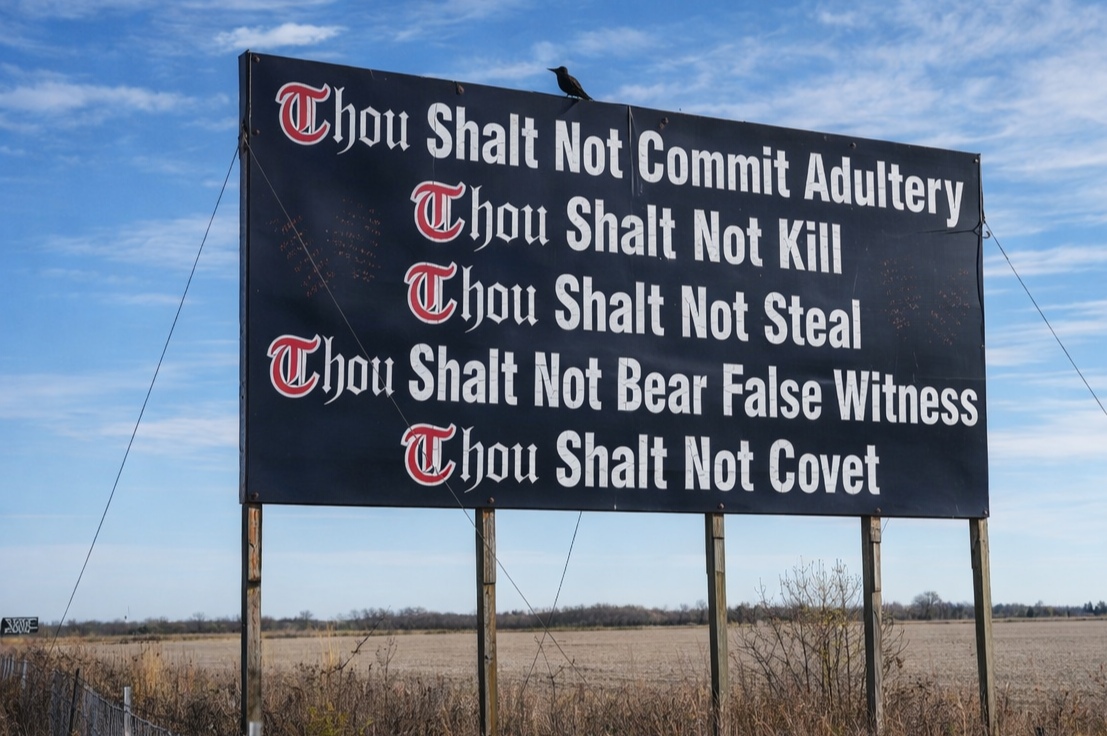
    There are several ways in which video games could potentially tempt a Christian to sin, breaking any and all of God’s Ten Commandments:

    1. Elevating other gods and magic: Many video games include religious aspects, pagan god mythology, including the rituals, practices, and other religious involvement. Having players role play or be involved in non-Christian religious acts. Such as fighting or doing quests for some mythological god to help them. Acting out pagan rituals to talk to dead spirits, curses, spells, magic, or types of occult and witchcraft.
    2. Idol worship: Some gamers can turn gaming into an idol itself, being more important than God.
    3. Taking the Lord’s name in vain: Many video games feature characters who swear or use blasphemous language, which could potentially tempt a Christian to do the same.
    4. Sabbath-breaking: Excessive video gaming could potentially interfere with a Christian’s ability to observe the Sabbath and spend time in worship and rest.
    5. Dishonoring parents: Some video games may encourage disrespect or rebellion towards authority figures, including parents.
    6. Murder: Many violent video games involve killing or other violent acts, which could potentially desensitize a Christian to the value of human life and make them more likely to engage in violent behavior.
    7. Giving false witness: Games may encourge the players to lie, teach or reinforce the idea that it is OK to give false witness, or even role play giving false witness to others.
    8. Adultery: Some video games feature sexually explicit content or encourage promiscuity, which could potentially tempt a Christian to engage in sin.
    9. Stealing: Some video games may involve stealing or other forms of dishonesty, which could potentially tempt a Christian to engage in unethical behavior.
    10. Coveting: Video games may encourage materialism or a desire for possessions, which could potentially lead a Christian to covet what belongs to others.
    Image from Pexels by Cottonbro. Women fully emersed in an online game wearing a virtual headset.
    Image from Pexels by Cottonbro Studio. Women fully emersed in an online game wearing a virtual headset.

    It’s important to note that not all video games will necessarily encourage these types of behaviors, and that each individual Christian will need to prayerfully consider how different games may impact them.

    However, make sure you do not let Satan fool you. Whispering in your ear, “Hey it’s ok! Just because you see, hear, or think about something, doesn’t mean you would ever do something bad or sinful”. Or that “You’re just playing a game, the acts are not real”. Don’t forget what Jesus said in Matthew 5:28, that “…whosoever looketh on a woman to lust after her hath committed adultery with her already in his heart”

    Meaning the intent to sin is as bad and as dangerous as the act of sinning. Satan knows the more he can get someone thinking about something sinful, the more likely they are to actually do it. Whether in their heart or in actuality, because out of the heart flows our actions (Matthew 12:34).

    Do Christians need to be careful with their senses?

    Secondly, the Bible teaches us to be careful about what we see and hear. In Matthew 6:22-23, Jesus says,

    22 “The light of the body is the eye: if therefore thine eye be single, thy whole body shall be full of light.

    23 But if thine eye be evil, thy whole body shall be full of darkness. If therefore the light that is in thee be darkness, how great is that darkness!”

    The things we expose ourselves to can have a powerful impact on our thoughts, emotions, and behaviors.

    What does the Bible say about separating from worldly things?

    Image from Pexels by Tima Miroshnichenko. A couple places a console game together while sitting on a couch.
    Image from Pexels by Tima Miroshnichenko. A couple places a console game together while sitting on a couch.

    Finally, as Christians, we are called to separate ourselves from worldly things that can lead us away from God. In 2 Corinthians 6:17, Paul says, “Wherefore come out from among them, and be ye separate, saith the Lord, and touch not the unclean thing; and I will receive you,” This doesn’t mean that we should completely isolate ourselves from the world, but rather that we need to be mindful of the influences around us. To be discerning in what we expose ourselves to.

    As followers of Christ, we are called to live differently. To be a peculiar people (1 Peter 2:9). This means avoiding practices, behaviors, and attitudes that go against God’s values and seeking to live a life that honors Him.

    Here are a few examples of what the Bible says about this:

    • Romans 12:2: “And be not conformed to this world: but be ye transformed by the renewing of your mind, that ye may prove what is that good, and acceptable, and perfect, will of God.” This verse emphasizes that as Christians, we should not be shaped by the values and practices of the world, but rather, we should be transformed by God’s truth and seek to live according to His will.
    • James 4:4: “Ye adulterers and adulteresses, know ye not that the friendship of the world is enmity with God? whosoever therefore will be a friend of the world is the enemy of God.” This verse emphasizes that we cannot be both friends with the world and friends with God. We must choose to separate ourselves from ungodly influences and seek to live a life that honors Him.
    • 2 Corinthians 6:14-17: “14 Be ye not unequally yoked together with unbelievers: for what fellowship hath righteousness with unrighteousness? and what communion hath light with darkness? 15 And what concord hath Christ with Belial? or what part hath he that believeth with an infidel? 16 And what agreement hath the temple of God with idols? for ye are the temple of the living God; as God hath said, I will dwell in them, and walk in them; and I will be their God, and they shall be my people. 17 Wherefore come out from among them, and be ye separate, saith the Lord, and touch not the unclean thing; and I will receive you,” This passage emphasizes the importance of separating ourselves from ungodly influences and practices, and seeking to live a life that is set apart for God.

    So, we are called to live differently from the world and to separate ourselves from ungodly influences. By doing so, we can honor God, grow in our faith, and become more like Christ.

    But what does the world say about gaming? Such as secular scientists?

    What do scientific studies say about gaming?

    Scientific studies have shown that certain video games can have negative effects on our mental health. For example, studies have linked excessive gaming to addiction, increased aggression, and decreased empathy. These effects can be particularly harmful to children and adolescents, whose brains are still developing. The effects of gaming can vary depending on the individual and the type of game being played.

    There have been numerous scientific studies conducted over the years examining the effects of online gaming and video games on players.

    Here are a few examples of studies, their findings, and the researchers who conducted them:

    • “The Benefits of Playing Video Games” (2014) by Isabela Granic, Adam Lobel, and Rutger C. M. E. Engels – This study, published in the American Psychologist, reviewed the existing research on the benefits of playing video games. The authors found that video games can improve cognitive function, enhance creativity, reduce stress, and promote social connections.
    • “Video Game Playing and Academic Performance in College Students” (2010) by Mark Griffiths, Daniel King, and Paul Delfabbro – This study, published in the Journal of Educational Psychology, examined the relationship between video game playing and academic performance in college students. The researchers found no significant relationship between the two variables.
    • “Online Gaming Addiction? Motives Predict Excessive Play Behavior in Massively Multiplayer Online Role-Playing Games” (2012) by Thorsten Quandt, Jens C. Wettstein, and Andreas Böcking – This study, published in the Journal of Media Psychology, investigated the relationship between motives for playing online games and excessive play behavior. The researchers found that players who reported playing for escapism or social interaction were more likely to engage in excessive play behavior.
    • “The Effects of Video Game Violence on Physiological Desensitization to Real-life Violence” (2013) by Jodi L. Whitaker and Brad J. Bushman – This study, published in the Journal of Experimental Social Psychology, examined the relationship between exposure to violent video games and physiological desensitization to real-life violence. The researchers found that exposure to violent video games can lead to decreased physiological reactivity to violent stimuli.

    Here are some common negative effects that have emerged from the research:

    • Addiction-like Symptoms: Some individuals may develop symptoms of addiction, such as loss of control over gaming behavior, preoccupation with gaming, and withdrawal symptoms when unable to play.
    • Decreased Academic Performance: Excessive gaming has been linked to decreased academic performance, such as lower grades and lower graduation rates.
    • Increased Aggression: Some studies have found a correlation between violent video games and increased aggression in players.
    • Physical Health Issues: Prolonged gaming sessions can lead to physical health issues such as eye strain, back and neck pain, and carpal tunnel syndrome.
    • Social Isolation: While some studies have found that gaming can promote social connections, excessive gaming can also lead to social isolation and a decrease in face-to-face social interactions.

    There have also been many psychological studies that have used brain imaging techniques such as functional magnetic resonance imaging (fMRI) and electroencephalography (EEG) to examine the effects of gaming on the brain and neurological activity while individuals are playing.

    Here are some common findings from the types of studies on human brains:

    • Increased Activity in Reward Pathways: Playing video games can activate the brain’s reward pathways, which are associated with feelings of pleasure and motivation. This can lead to increased dopamine release and a sense of enjoyment and engagement.
    • Improved Attention and Executive Functioning: Some studies have found that playing video games can improve attention and executive functioning, such as cognitive flexibility and decision-making.
    • Changes in Brain Structure: Some studies have found that playing video games can lead to changes in brain structure, such as increases in grey matter volume in areas associated with visuospatial skills and memory.
    • Increased Emotional Arousal: Some studies have found that playing violent video games can lead to increased emotional arousal, such as increased heart rate and skin conductance.

    Some studies have been conducted on how gaming can influence a person’s self-control and ability to discern right from wrong.

    One example is a study titled “Gaming as a Source of Intrinsic Motivation: An Exploratory Study of Self-Determination Theory in the Context of Gaming” by Scott Rigby, et al. (2010), which found that gamers who had a higher level of intrinsic motivation, or the internal desire to play for enjoyment and personal satisfaction, were more likely to exhibit self-control and restraint when it came to their gaming habits.

    Another study, titled “Effects of Playing Violent Video Games on Chinese Adolescents’ Prosocial and Aggressive Behavior” by Zhen Tang, et al. (2015), found that playing violent video games was associated with decreased prosocial behavior and increased aggressive behavior in Chinese adolescents. A limited study looking at a specific population and type of game.

    Overall, while some studies suggest that gaming can have an impact on a person’s self-control and moral decision-making, the research in this area is still relatively limited, and more studies are needed to fully understand the potential effects.

    It’s worth noting that not all studies have found these effects, and individual experiences with gaming can vary widely. Additionally, the type of game being played, the frequency and duration of play, and the individual’s personality and life circumstances can all impact the potential effects of gaming on the brain and neurological activity.

    It’s important to note that while scientific studies can provide valuable insights into the effects of online gaming and video games, they are not definitive and should be interpreted with caution. Additionally, some studies have limitations or may have flaws in their methodology.

    So there is no clear-cut answer yet based on scientific studies alone.

    How can we discern which games are OK and which are not?

    Image from Pexels by Tima Miroshnichenko. A person playing a violent and graphic first-person shooter online game.
    Image from Pexels by Tima Miroshnichenko. A person playing a violent and graphic first-person shooter online game.

    As Christians, we should strive to fill our minds and hearts with things that are pleasing to God and that help us grow in our faith. When it comes to video and online games, it can be challenging to know which ones are safe and which ones are not a good choice. Here are a few tips that can help Christians discern which games are a bad influence:

    • Consider the game’s content: Pay attention to the content of the game, such as its themes, language, and violence. As Christians, we are called to be mindful of the things that we expose ourselves to, and if a game contains content that goes against our values or is inappropriate, then it’s probably not a good choice.
    • Consider the game’s impact: Think about the impact the game may have on your thoughts, emotions, and behaviors. If playing a particular game causes you to become more angry or aggressive, or if it leads you to engage in behavior that goes against your values, then it may not be a good choice for you.
    • Consider the time spent: Think about how much time you’re spending playing video games. If you’re spending too much time gaming and neglecting other important areas of your life, such as your relationships, work, or spiritual growth, then it’s probably not a good choice.
    • Consider peer influence: Take into account the influence of your peers. If the people you’re playing games with are encouraging you to engage in behavior that goes against your values or is inappropriate, then it may be time to consider finding a new group to play with.
    • Pray for guidance: Seek God’s guidance in prayer. Ask Him to help you discern which games are a bad influence and which are a good choice for you.

    Ask yourself these questions as you evaluate a game and how you react to playing it:

    • Content: What is the game about? Does it contain themes or content that go against biblical values, such as violence, content, or occultism?
    • Personal reaction: How do you feel when you play the game? Does it promote negative attitudes or behaviors in you?
    • Time: How much time are you spending on gaming? Is it taking away from other important aspects of your life, such as family, work, or spiritual growth?
    • Addiction: Do you find yourself constantly thinking and planning about the next time you can play? Do you find other things bothersome or less enjoyable than before? Do you have a hard time “logging off” from gaming, wanting to do just one more thing, just one more minute? Do you get annoyed and angry when someone says you need to stop playing?
    • Community: Does the game tend to make you isolated or antisocial? Is the gaming community anti-Christian or push anti-Christian values? Or is the game’s community toxic in any other ways?
    • Content rating: What rating is the game? Video games are rated by the Entertainment Software Rating Board (ESRB) based on their content. Christians should carefully consider the content of the games they play and whether it is appropriate for their age and maturity level.

    Be mindful of the things you expose yourselves to, and use your discernment to make wise choices that help you grow in your faith and become more like Christ. By taking the time to consider the content and impact of the games you play, you can make informed decisions about which games are a good choice and which are not.

    Prayerfully consider whether or not video games are a healthy and beneficial activity for you personally. Seek guidance from God about whether or not to include video games in your life.

    How to make your own choice about gaming as a Christian

    In conclusion, while there is no clear-cut answer to the question of whether Christians should be gamers at all, playing no video games, we should be discerning in what we choose to expose ourselves to. The Bible warns us about the dangers of being distracted and tempted by worldly things, and scientific studies have shown that certain video games can have negative effects on our mental health. As Christians, we should strive to honor God in all aspects of our lives, including our leisure activities.

    However, it is clear Christians should avoid games that may be violent or contain themes that go against Christian values. Additionally, avoid spending too much time gaming. It can take away from the time that could be spent growing in our relationship with God and serving others.

    If you do play video games, do it in a way that gives glory to God.